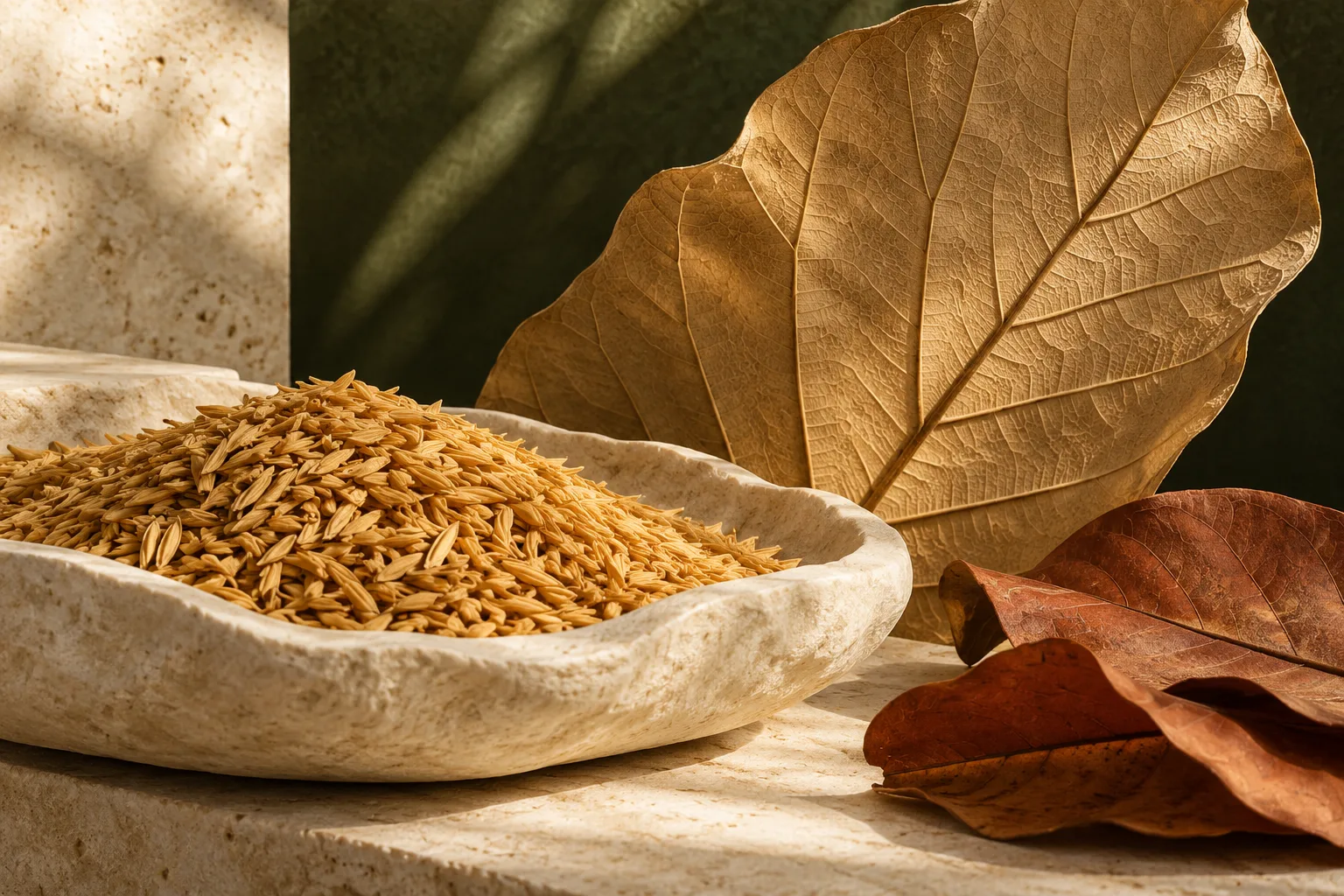
Indonesianagriculturalmaterials.

Rooted in Indonesia. Guided by Integrity.

Explore rice husk, teak leaves and catappa leaves. Share your application to define the next qualification steps.

Download a local draft · Nothing is submitted

A closer look at the material texture.

Find the material for
your application.

Specifications, samples and supply are reviewed before a commercial offer. Choose a material, then explore an application.

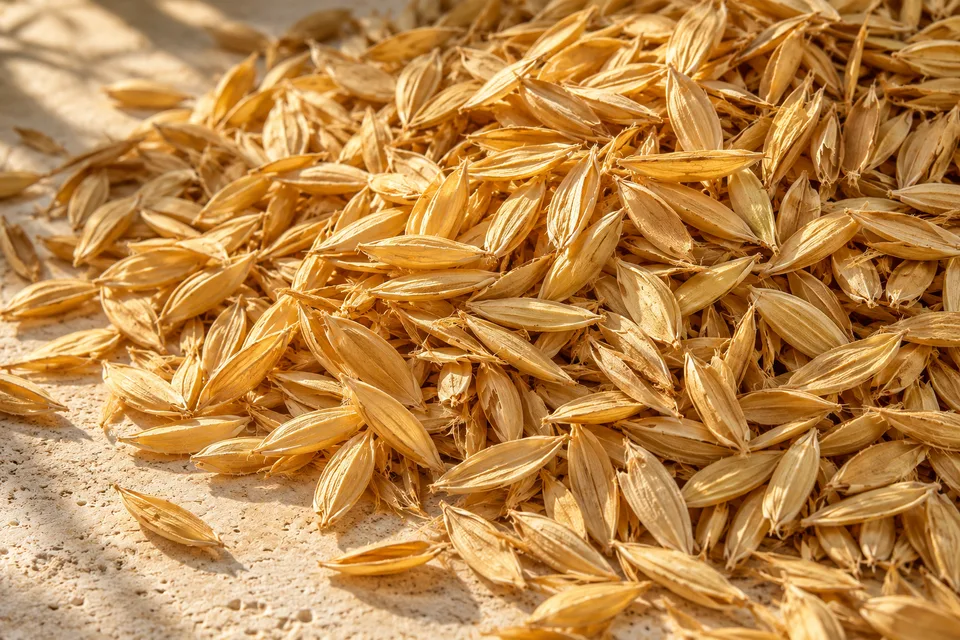
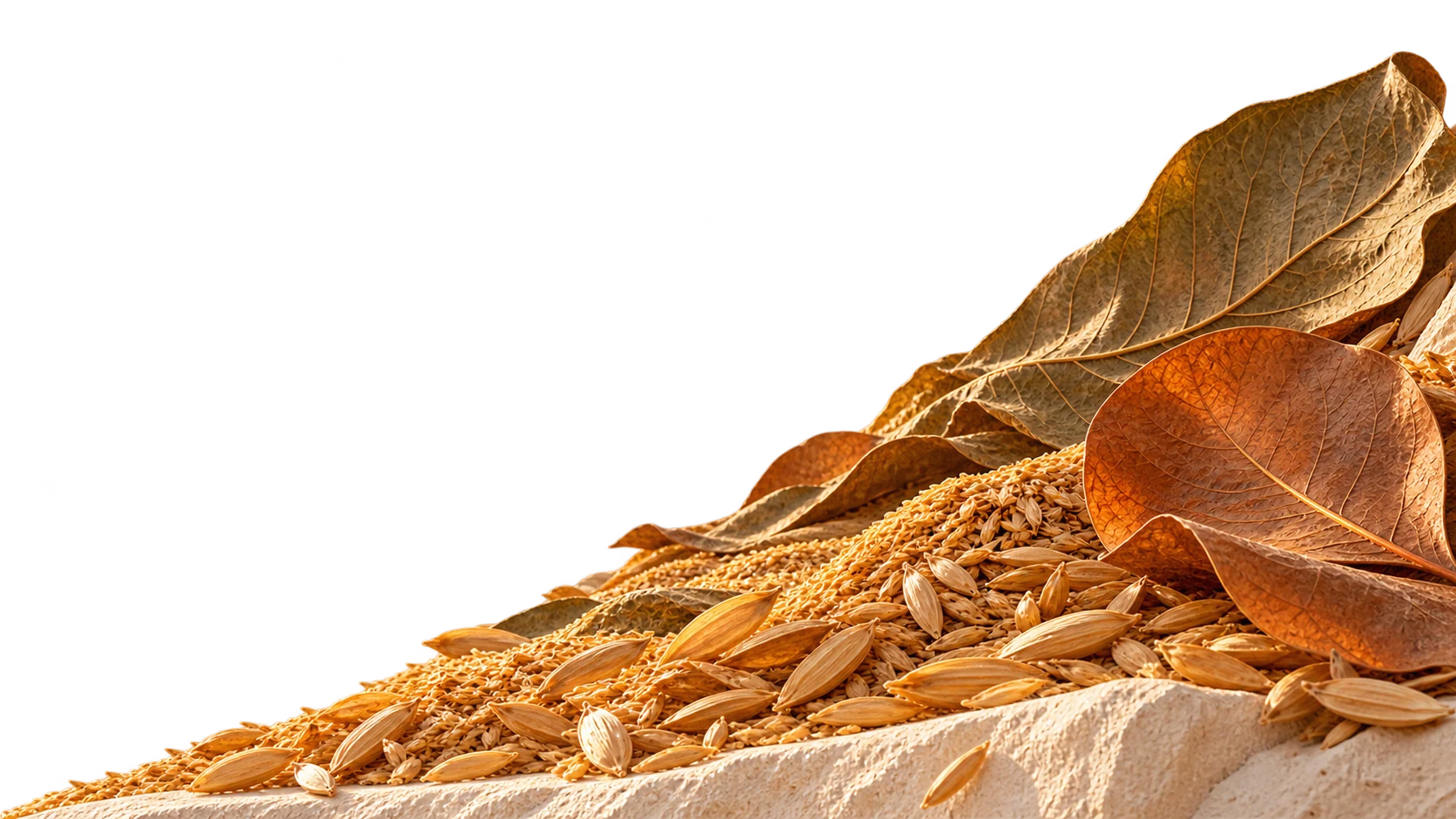
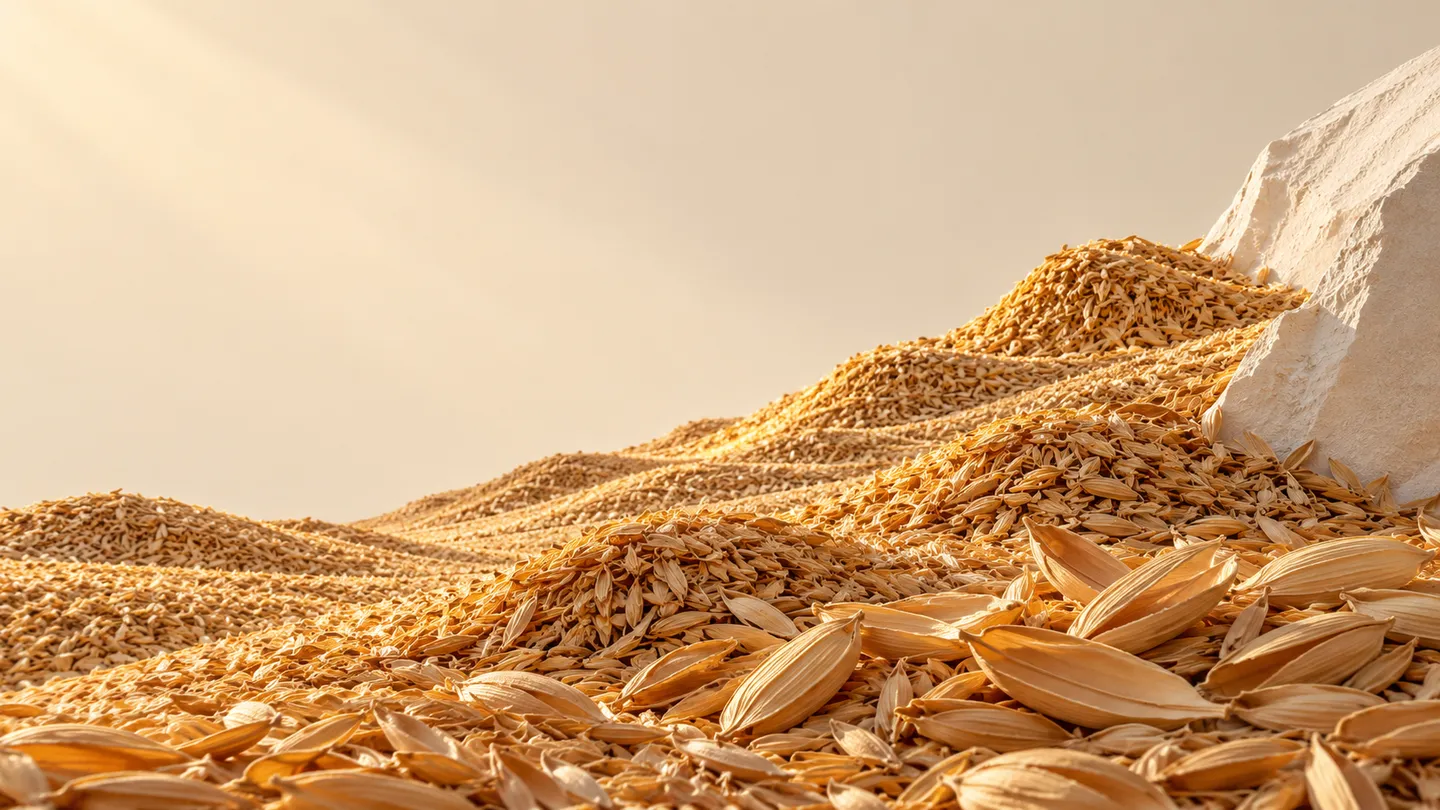
Sculptural landscape of golden rice husks

Oryza sativa · RH-01

Rice Husk

In qualification

The outer hull of rice, explored as a material for growing-media blends and other buyer-defined uses.

Material requirements

Moisture, cleanliness, grade, packing and supply. Rice husk char and ash are development routes, not ready-to-order products.

Prepare a rice husk brief
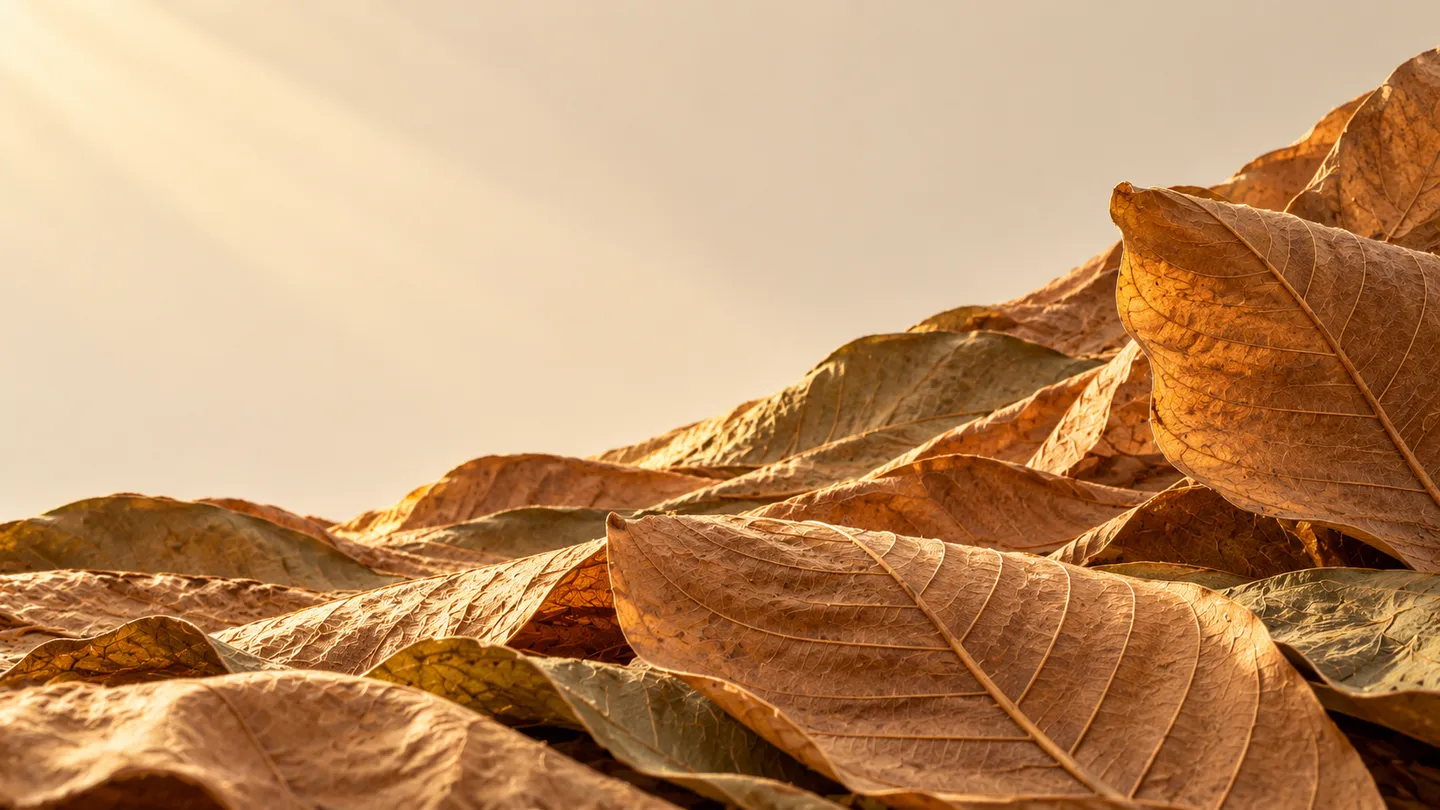
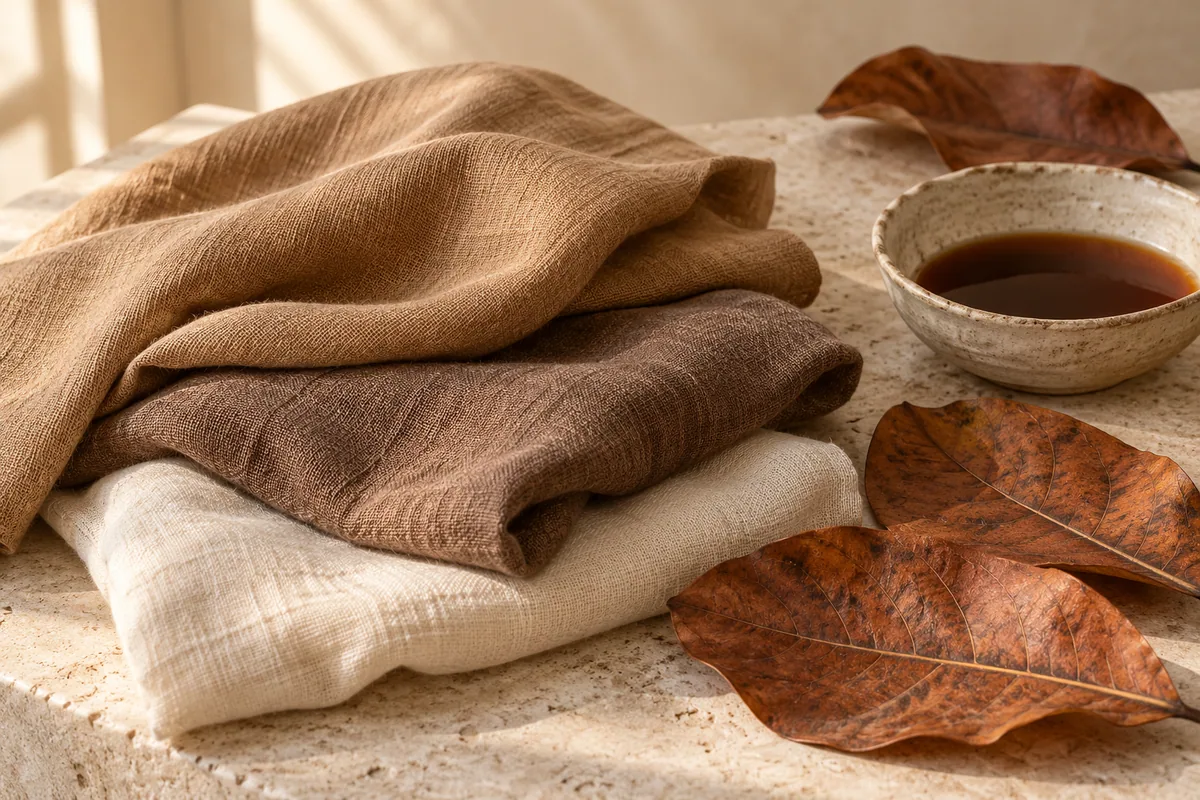
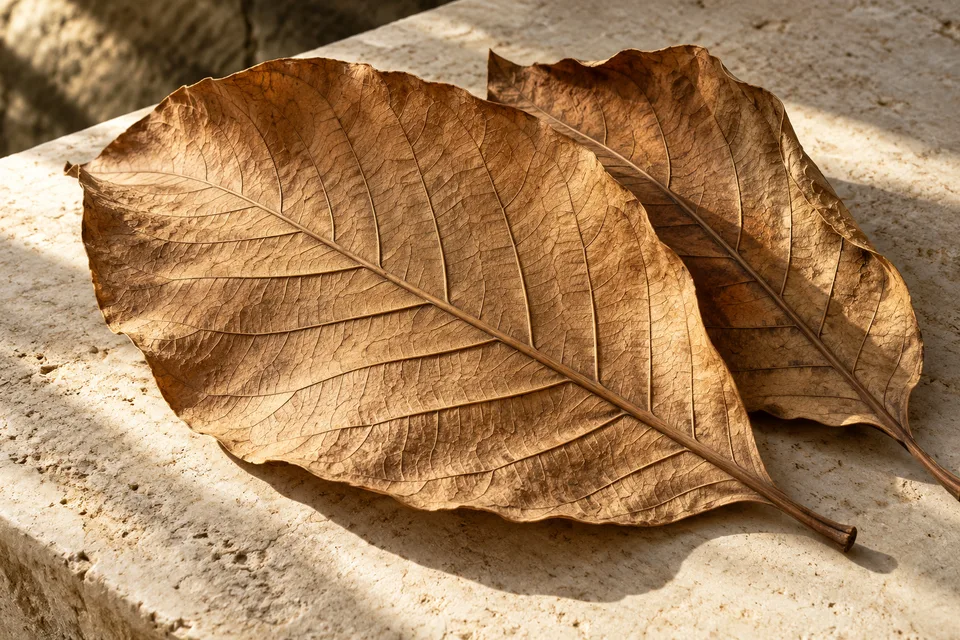
Sculptural landscape of broad dried teak leaves

Tectona grandis · TL-01

Teak Leaves

In qualification

Dried leaves for craft and colour applications, with extract pathways explored through research.

Material requirements

Leaf size, integrity, preparation and application performance.

Prepare a teak leaf brief
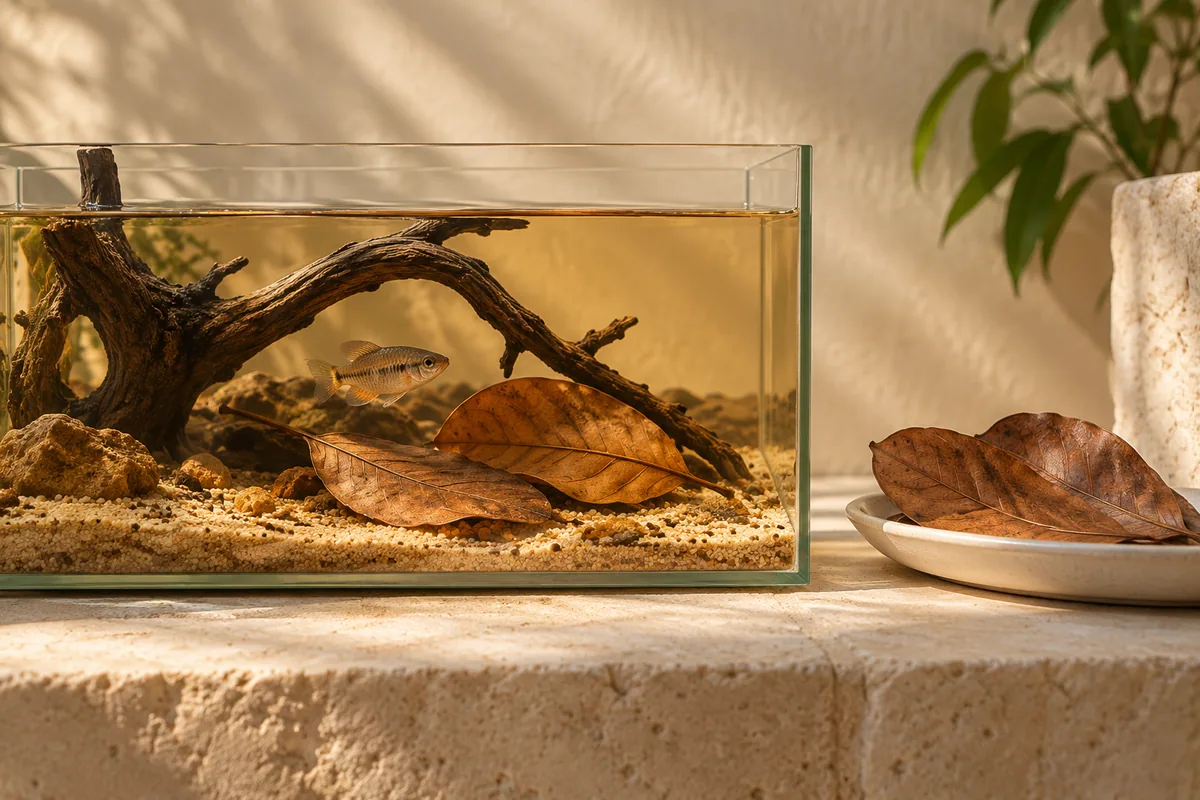
Copper catappa leaves beside shallow amber water

Terminalia catappa

Catappa Leaves

Sourcing development

Dried leaves for botanical sourcing, with polyphenol and colour pathways explored through research.

Material requirements

Source, grading, preparation and intended-use suitability. Aquarium suitability must be reviewed for the intended use.

Prepare a catappa brief

Potential uses require product-specific validation; no pet-safe, aquarium-safe or therapeutic claims are made.

From material
to possibility.

Start with an application. Explore the material, the preparation it needs and the questions to resolve before development. Chemistry and research follow below.

Rice Husk

Research opportunity

More development routes for this material
  • Personal care

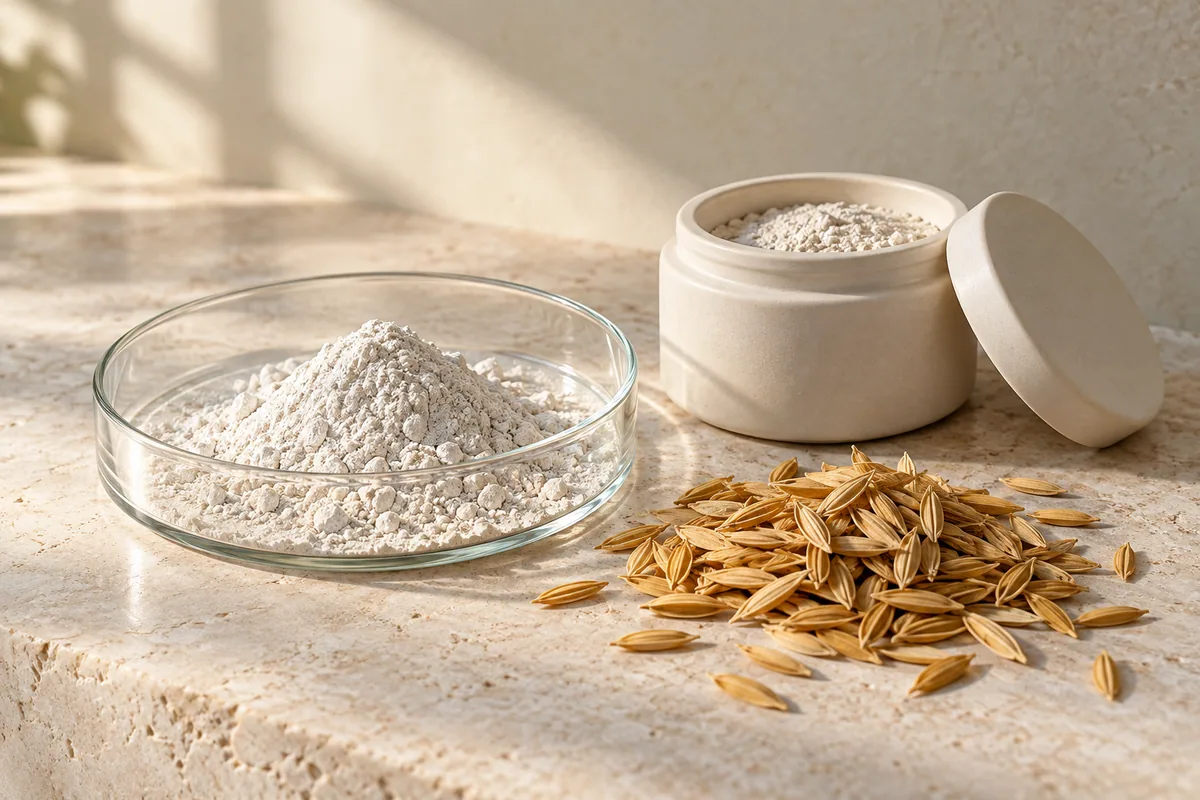
    Purified amorphous silica to powder ingredients and formulation research. Grade, particle properties and safety must be qualified.

  • Growing media

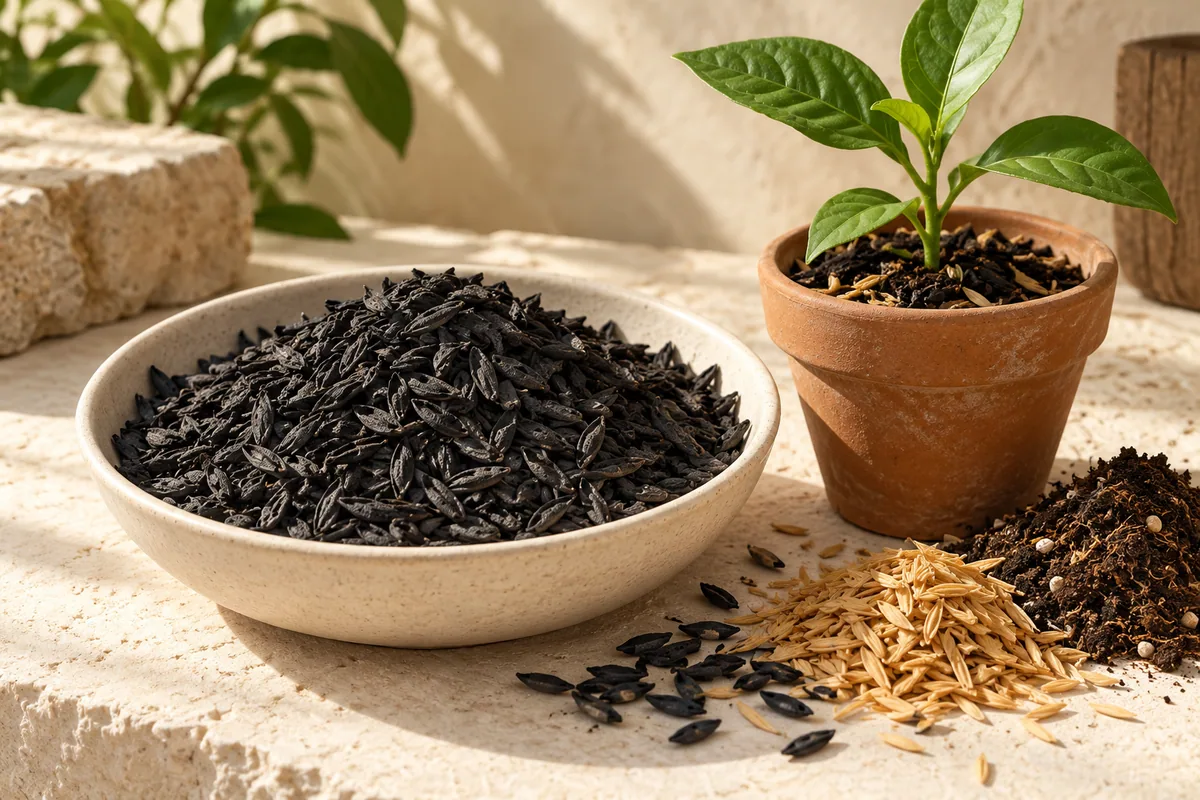
    Graded husk or qualified biochar to horticultural blends and soil-amendment development. Each route needs a separate specification.

  • Industrial materials

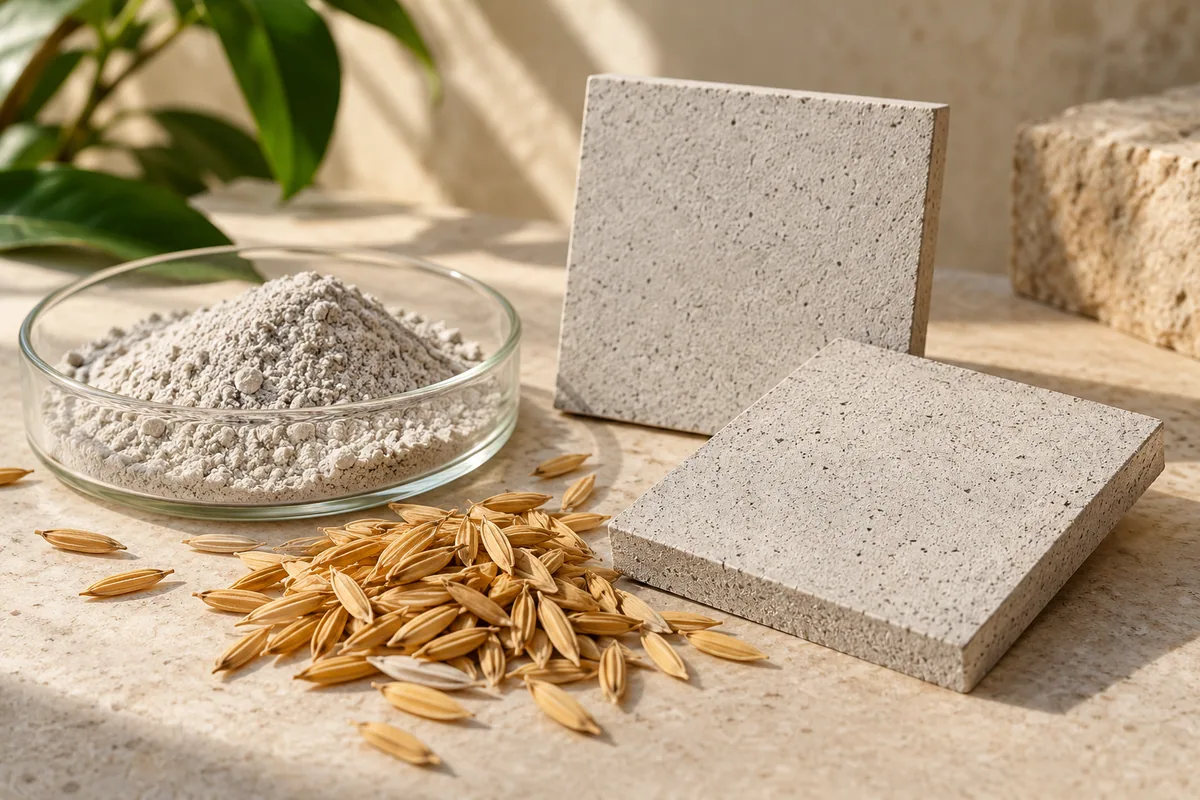
    Controlled husk ash or precipitated silica to cement, mortar or material applications, subject to processing and performance tests.

Development pathways · Derived ingredients require separate qualification.

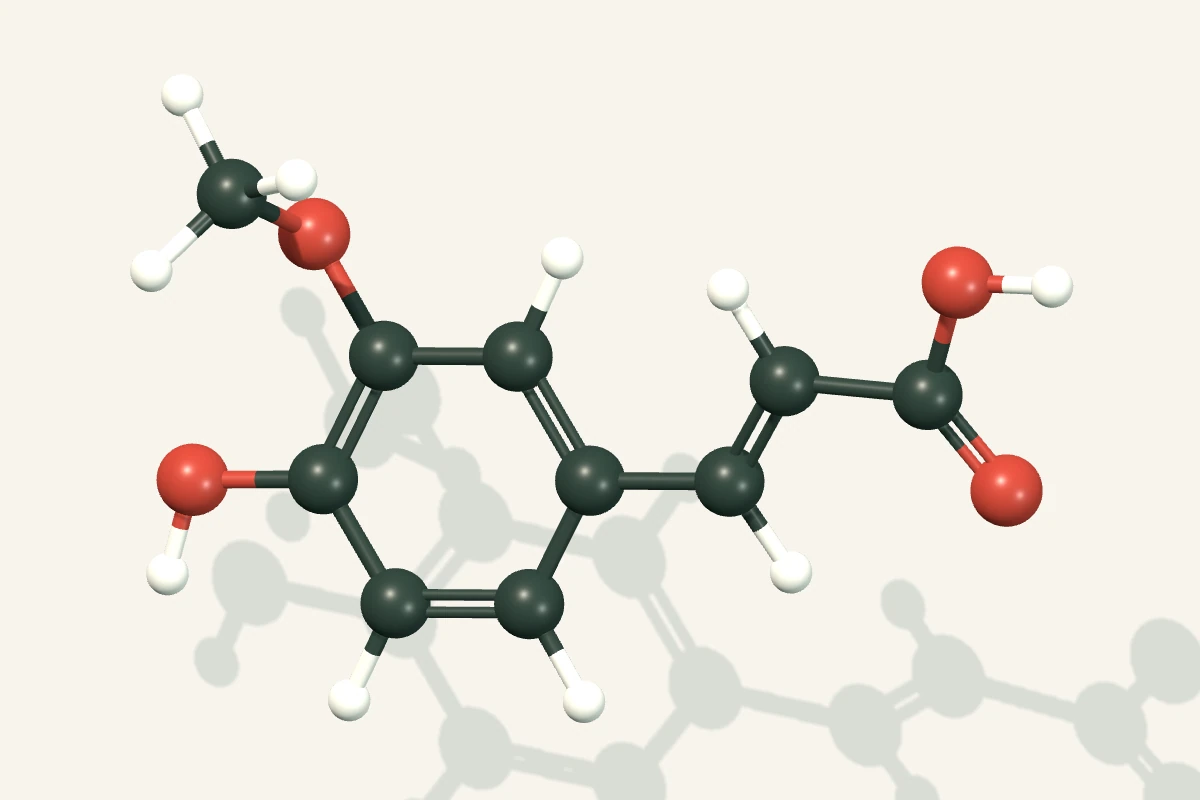
Ball-and-stick rendering of the PubChem computed 3D conformer of ferulic acid; representative compound, not a NUSAPACT batch assay
Ferulic acidC10H10O4 · PubChem CID 445858Computed 3D conformer · Representative compound

C · CarbonO · OxygenH · Hydrogen

Reported chemistry.
Not a batch specification.

Research notes & evidence

This representative compound helps explain the literature. It does not establish the composition or performance of a NUSAPACT material.

Representative compound, not the dominant husk component or a NUSAPACT assay. The dossier also covers silica, cellulose, hemicellulose and lignin; these require their own material characterisation.

Ferulic acid is one reported phenolic; its presence does not establish economical extraction or ingredient performance. A rice-husk fractionation study supports recovery routes for silica and structural fractions, not cosmetic-grade readiness. Study composition and recovery must not be used as a NUSAPACT COA.

Before development: confirm source and lot composition, processing recovery, impurities, particle characteristics and intended-use safety. Purified cellulose/CNC/CNF is a separate co-development route.

Teak Leaves

Research opportunity

More development routes for this material
  • Hair & scalp care

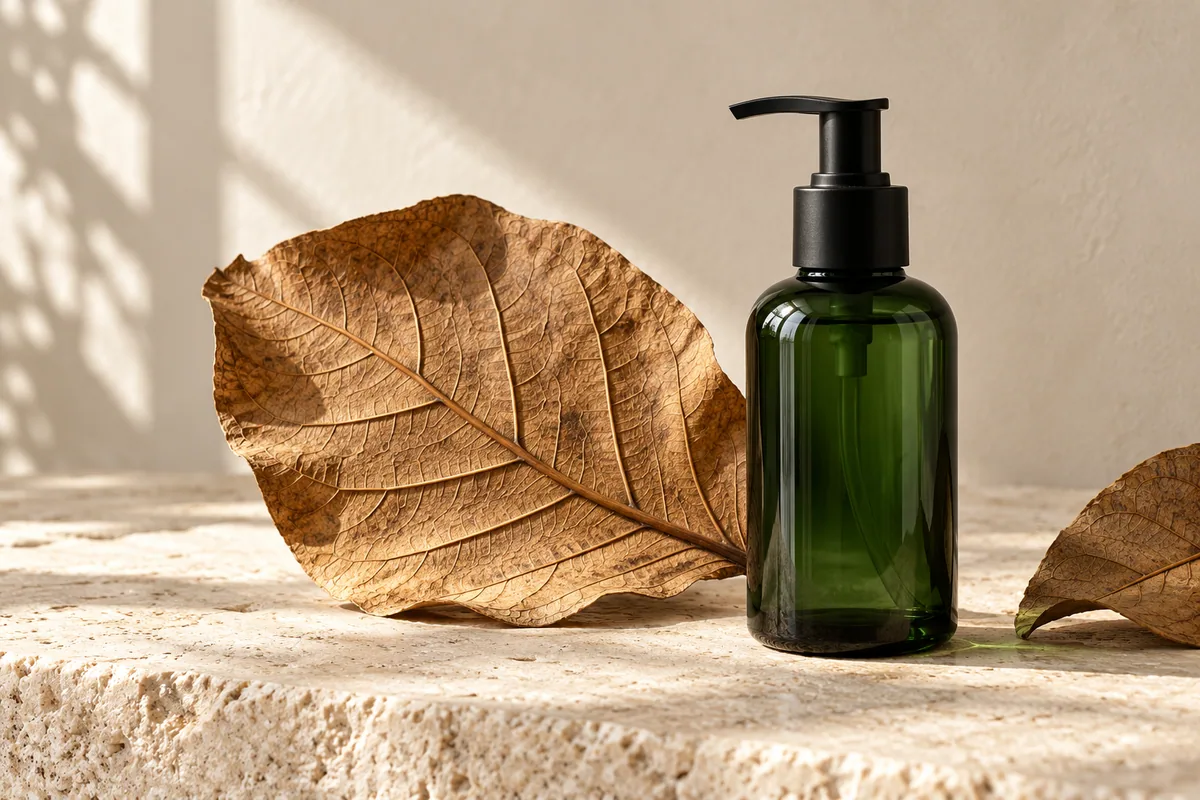
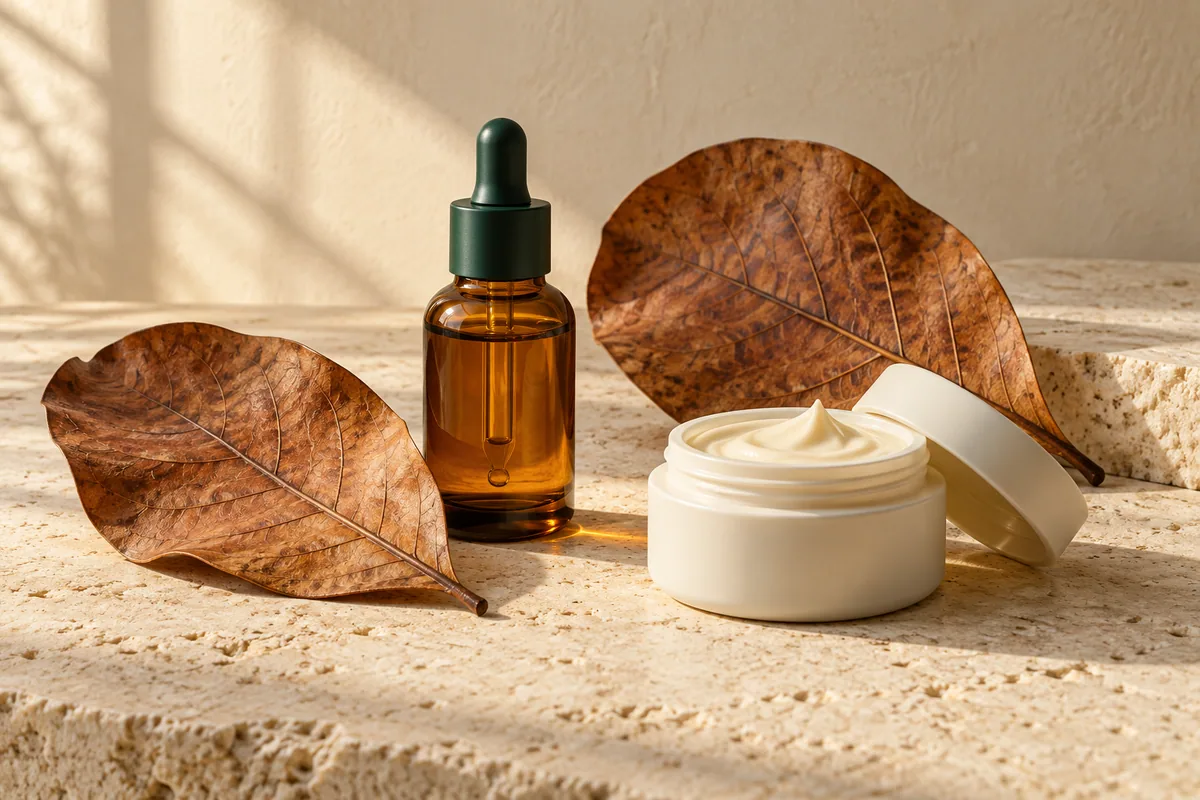
    Marker-standardised leaf extract to tonic or serum formulation research. Evidence is extract-specific; clinical findings are limited and mixed.

  • Botanical colour

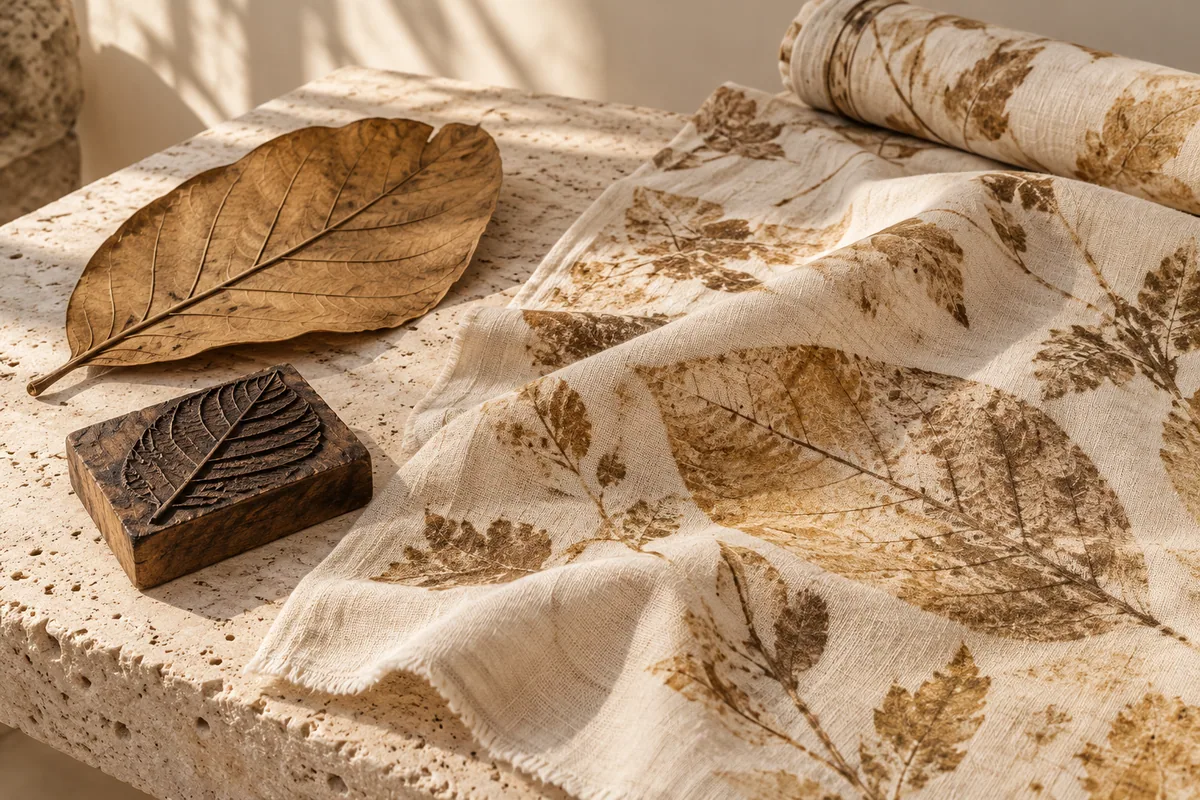
    Graded leaves or dye concentrate to eco-print and textile colour development. Shade, fastness and preparation drive qualification.

  • Hair-colour development

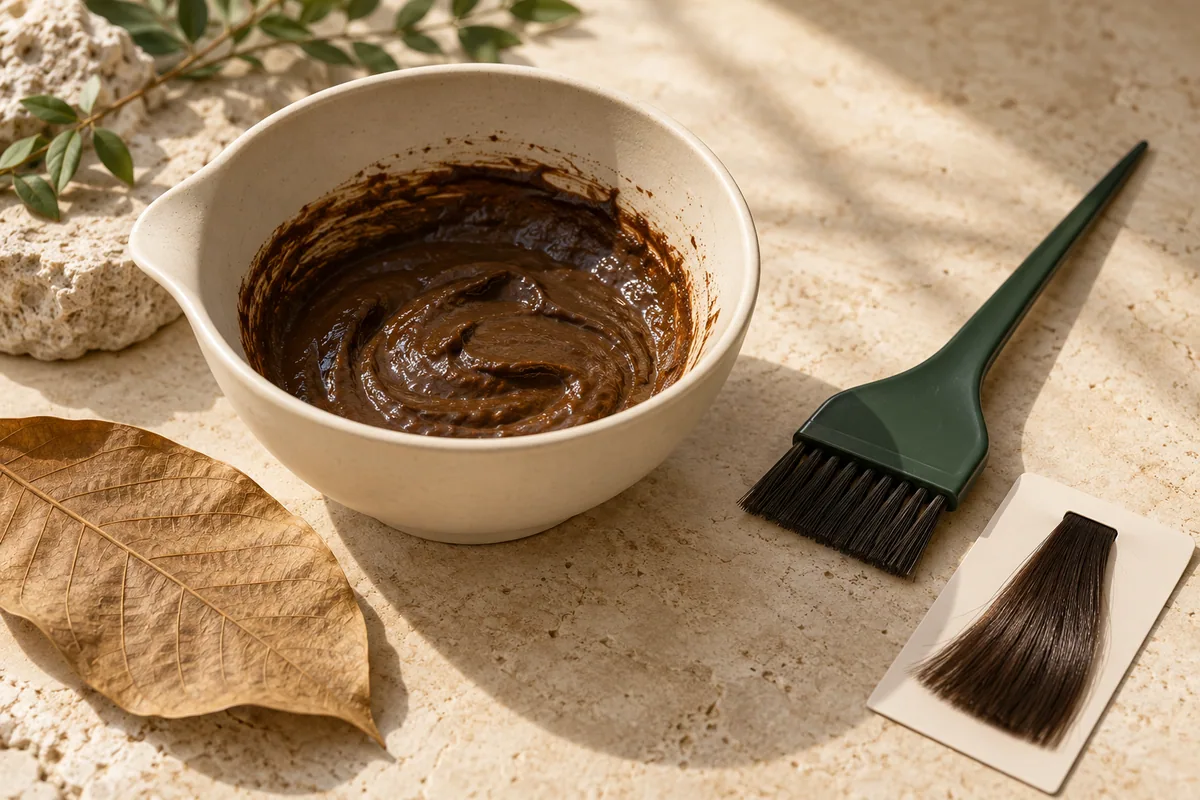
    Colour extract to hair-dye prototypes. Technical colouring studies do not establish skin safety or permission to use a colorant.

Development pathways · Derived ingredients require separate qualification.

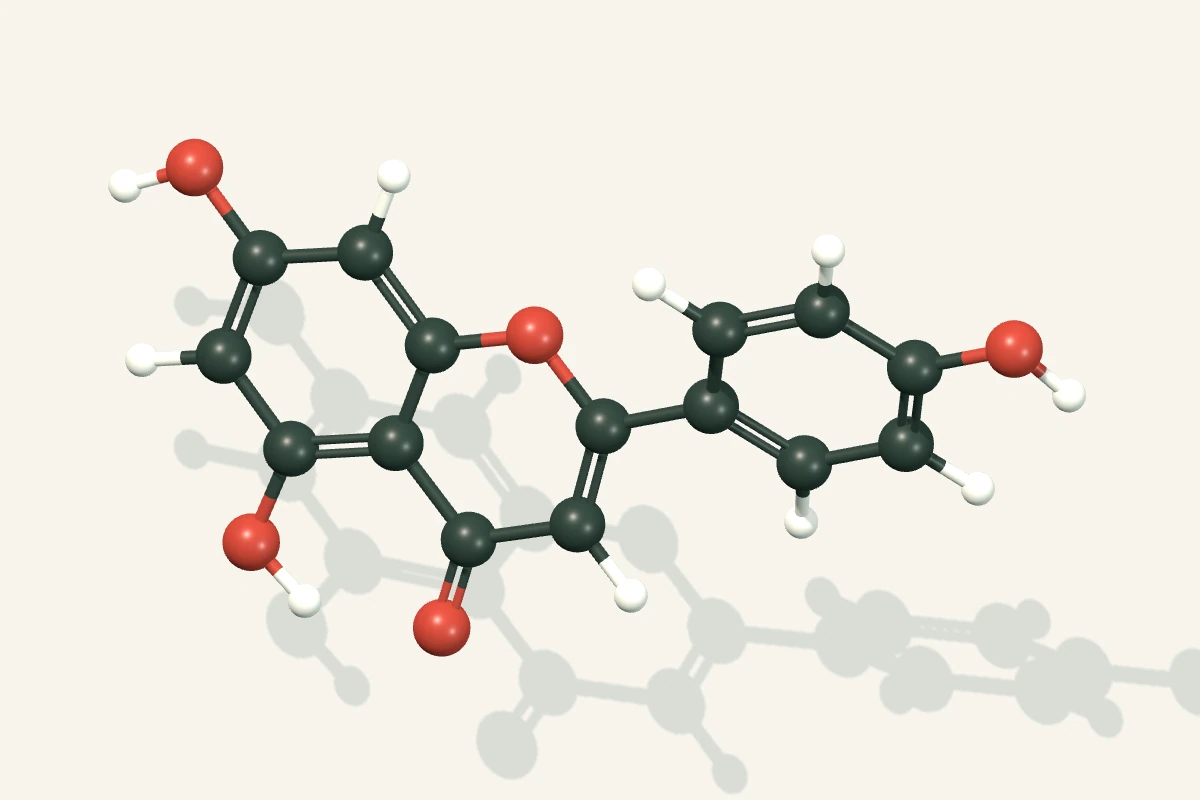
Ball-and-stick rendering of the PubChem computed 3D conformer of apigenin; representative compound, not a NUSAPACT batch assay
ApigeninC15H10O5 · PubChem CID 5280443Computed 3D conformer · Representative compound

C · CarbonO · OxygenH · Hydrogen

Reported chemistry.
Not a batch specification.

Research notes & evidence

This representative compound helps explain the literature. It does not establish the composition or performance of a NUSAPACT material.

One reported leaf flavonoid, not the marker used to standardise the hair-care extract in the dossier. That route focuses on two eperuane diterpenoids; the broader profile includes flavonoids and pigment-related compounds.

Apigenin is shown as a representative leaf constituent. Hair-care development instead targets (+)-eperua-8,13-dien-15-oic acid and (+)-eperua-7,13-dien-15-oic acid. A 24-week trial of a specific extract formulation had mixed outcomes: the hair-count difference from placebo was not significant at week 24. It does not establish equivalence to minoxidil or efficacy for NUSAPACT leaves.

Before development: verify botanical identity, extract fingerprint, marker levels, solvent residues, stability, safety and the intended product's permitted claims. Dye and hair-care-active grades are separate.

Catappa Leaves

Research opportunity

More development routes for this material
  • Skin-care research

    Standardised polyphenol extract to skin-conditioning serum or cream development. Laboratory findings are not clinical anti-ageing or SPF evidence.

  • Aquarium botanicals

    Graded whole or broken leaves to botanical pack and sachet development. Source, leaching profile and intended-use suitability need checking.

  • Textile & craft

    Dye or tannin extract to colourant research for textiles and craft. Shade, fastness, residues and economics require separate validation.

Development pathways · Derived ingredients require separate qualification.

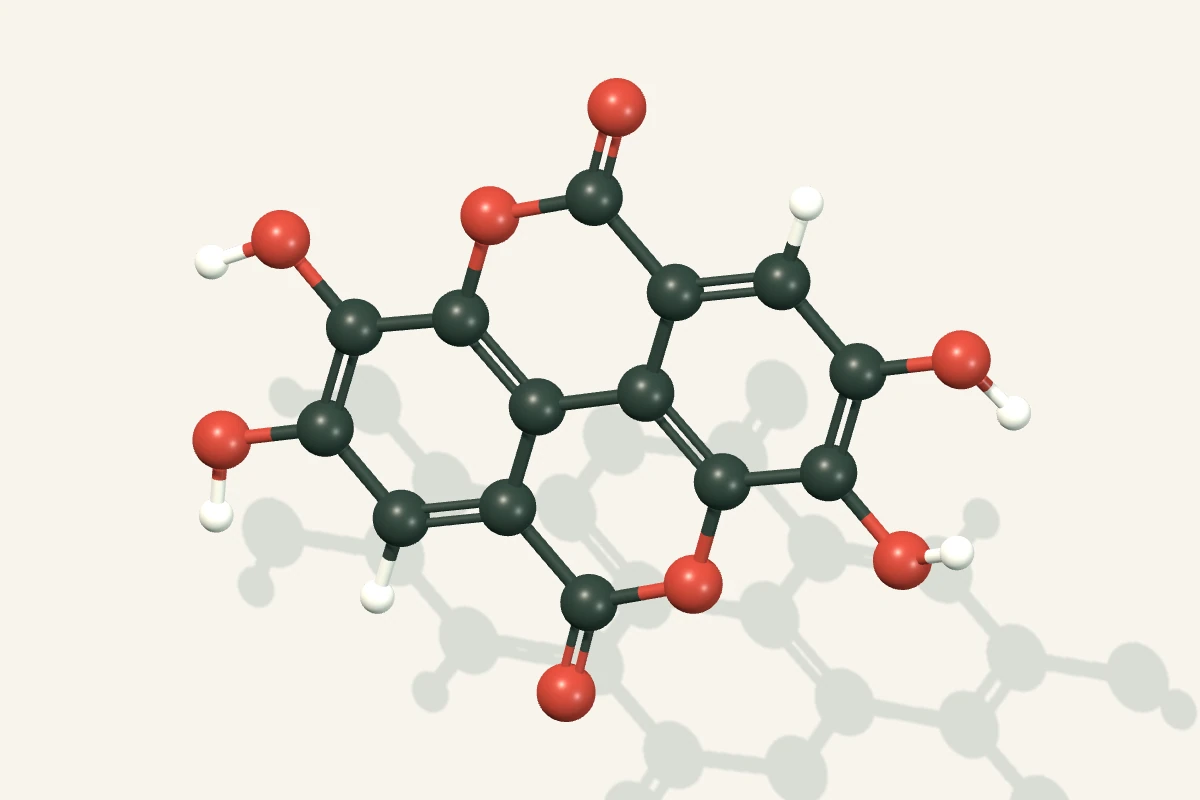
Ball-and-stick rendering of the PubChem computed 3D conformer of ellagic acid; representative compound, not a NUSAPACT batch assay
Ellagic acidC14H6O8 · PubChem CID 5281855Computed 3D conformer · Representative compound

C · CarbonO · OxygenH · Hydrogen

Reported chemistry.
Not a batch specification.

Research notes & evidence

This representative compound helps explain the literature. It does not establish the composition or performance of a NUSAPACT material.

Representative compound, not a NUSAPACT assay. The dossier also covers ellagitannins including punicalagin and punicalin, plus gallic acid. Their levels depend on source, leaf condition and extraction.

Leaf-extract studies report ellagitannins and phenolic acids; skin-related findings include laboratory cell models, not verified clinical benefits of a NUSAPACT product. Total phenolics are not the percentage of a specific compound.

Before development: confirm fingerprint, marker assays, colour, solubility and stability. Final-extract safety assessment must address the genotoxicity signal reported for a particular hydroalcoholic extract, alongside irritation, sensitisation, impurities and exposure. Aquarium use does not establish cosmetic-grade suitability or universal animal safety.

Content adapted from the NUSAPACT Product Dossier, Revision 2 · 20 October 2026. Structures: PubChem. Literature data are not batch specifications, safety approval or a supply commitment.

A clear path
to qualification.

From your intended use to the checks needed for a credible offer. Commercial commitments follow qualification.

Rice husk texture
Rice Husk
Dried teak leaf texture
Teak Leaves
Dried catappa leaf texture
Catappa Leaves
Working outputA defined sourcing brief

Explore each step to see how the work develops.

  1. 01

    Define the application

    Set the intended use, destination and specifications that matter to your business.

    Your input
    Application, destination and required specifications
    Working output
    A defined sourcing brief
  2. 02

    Review the material

    Review supplier information and plan relevant samples and checks as readiness allows.

    Your input
    Required grade and intended-use priorities
    Working output
    A plan for source review, samples and checks
  3. 03

    Discuss readiness

    Agree packing, terms and logistics when the source and material support an offer.

    Your input
    Packing, volume and logistics requirements
    Working output
    Next commercial steps, only when supported
Prepare a Sourcing Brief

Amanah.In every commitment.

NUSAPACT is an Indonesian agricultural sourcing initiative in development. We build partnerships through clear requirements, documented sources and commitments we can support.

See our approach
Origin
Sources that can be documented.
Integrity
Capabilities stated honestly.
Specification
Requirements defined clearly.
Partnership
Commitments made carefully.

Tell us what
you’re looking for.

Share your material and intended application. Add specifications, volume and destination when known.

nusapact.biz@gmail.com

Choose your material

See its qualification status here.

Select a material below to bring its evaluation priorities into your brief.

Prefer a prepared brief?

Download your brief below, then attach it to an email to NUSAPACT. Downloading alone does not send an inquiry or register interest.

Entries are not stored. Leaving or reloading clears them. Download your draft before you leave.

Add company details Optional